When you haven't had success elsewhere
I am often referred people who have done a lot of therapy, but have not had success. There are so many things that can contribute to our symptoms. My work is oriented toward identifying the root of what’s driving symptoms, not just coping with them. I take time to try to understand the full picture so treatment is accurate, individualized, and successful.
____________________________________________________________________
Thorough, Precision-Focused Assessment
When someone asks, “What’s the most effective treatment you’ve found for depression?”
my honest answer is: it depends on what’s causing it.
For some clients the turning point was treating undiagnosed sleep apnea; for others it was neutralizing traumatic memories to a 0/10 SUD. For some, progress came from improving connection with a partner or releasing beliefs of unworthiness. For others it was addressing a nutritional deficiency, starting ADHD medication, or neurofeedback training to rebalance neuronal oscillations. And other it was collaborative care with their doctor in getting off hormonal birth control, building sustainable habits, healing shame, improving sleep hygiene, or even structured CBT.
Symptoms make sense when we understand their origin — and treatment works when it matches the cause.
____________________________________________________________________
How I Work
I specialize in multiple approaches, and use them when appropriate.
• Parts & Memory Therapy (P&MT)
P&MT weaves together a parts-based model (similar to IFS) with memory reconsolidation processes found in modalities like EMDR. We work directly with unresolved memories and the parts of self shaped by them, reducing the emotional charge of memories and parts so the nervous system no longer reacts automatically. Clients often describe a noticeable shift toward feeling calmer, less defensive, and less triggers.
• Regulation, attachment, and practical skills
We develop tools for emotional stability, attention, communication, and relationship repair while deeper change is occurring.
• Couples therapy
Structured engagement focused on patterns, safety, and repair through an understanding of each partner’s nervous system and emotional learning history.
____________________________________________________________________
Neurofeedback (optional adjunct, not covered by insurance)
For some clients, neurofeedback is preferable. When there are EEG abnormalities that exacerbate symptoms, often talk therapy will only get so far. Correcting those abnormalities through operant conditioning can make a world of difference. Neurofeedback is never required — it is offered when clinically appropriate and aligned with treatment goals and begins with a QEEG, essentially and EEG with statistics.
____________________________________________________________________
Who I Work With
• Adults, adolescents, and couples in all modalities
• Children—specifically in the neurofeedback modality
• Trauma, anxiety, ADHD, emotional dysregulation, sleep disturbance, and complex or treatment-resistant cases
• Clients seeking a thoughtful, structured, neuroscience-informed approach
____________________________________________________________________
About Preston Walker, LMFT
I am a licensed Marriage and Family Therapist and the founder of Walker Therapy Services. I previously served as the Assistant Clinical Director at Aspen Grove Behavioral Hospital, providing supervision to clinicians treating complex trauma, neurodivergence, and mood disorders. I have completed hundreds of qEEG brain maps and thousands of neurofeedback sessions, and I specialize in integrating Parts & Memory Therapy with precise diagnostic understanding and brain-based treatment planning.
____________________________________________________________________
Getting Started
You may schedule:
• an initial therapy evaluation (individual or couples), or
• a free neurofeedback consultation
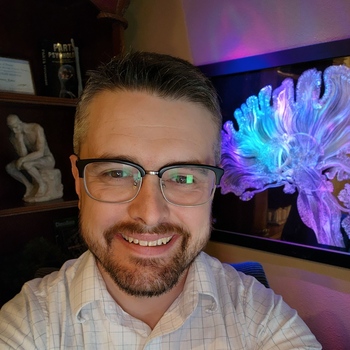
Preston Walker
Licensed Marriage and Family Therapist

